
PRP Therapy in Mexico
Choose PRP therapy in Mexico at R3 Stem Cell Mexico for affordable regenerative treatments. Our clinic provides platelet-rich plasma procedures for joint pain, hair restoration, and aesthetic rejuvenation while maintaining high-quality medical standards.
What Is PRP Therapy?
PRP therapy uses your own blood to heal injuries and reduce pain. Doctors take a small amount of your blood and spin it in a centrifuge machine. This process concentrates the healing components of your blood, particularly platelets.
Your blood normally contains platelets that help injuries heal.PRP therapy typically gives you 3 to 5 times more platelets than regular blood. These platelets contain growth factors and proteins that promote healing. When doctors inject the concentrated platelets back into your body, these growth factors are released directly at the injury site to stimulate tissue repair and regeneration.
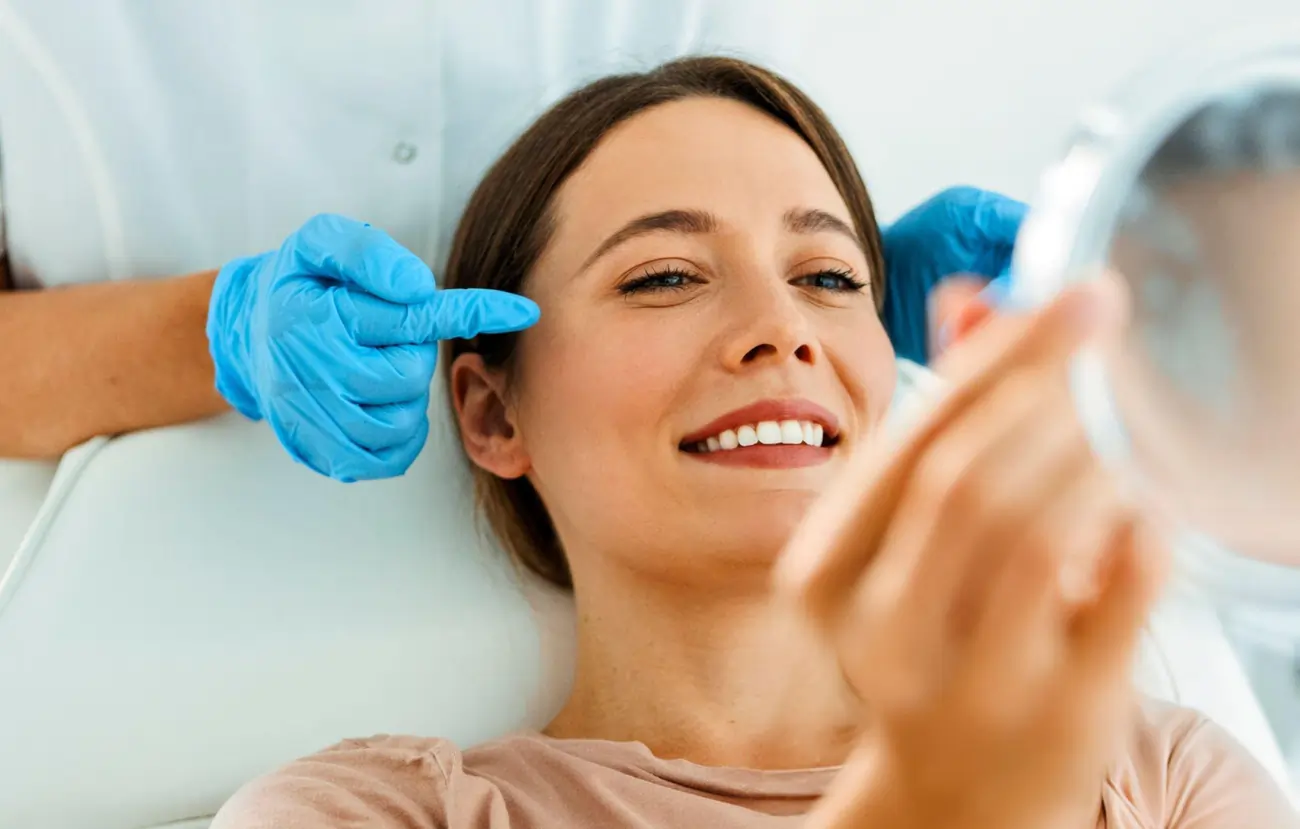
The process is SIMPLE:
- Doctors draw 10 to 60 milliliters of blood from your arm
- They spin your blood in a centrifuge for about 10 minutes
- You get an injection of the concentrated platelets
- The procedure is typically completed during a single office visit
Why Mexico for PRP Treatment?
The cost claims and medical tourism growth statements are accurate. PRP therapy in Mexico costs significantly less than in the United States or Canada, with Mexican clinics offering treatments for $350-$1,500 per session compared to$500-$2,500 in North America, representing savings of50-70%.
The EmCyte Genesis PurePRPII device does produce platelet concentrations of 1.6 × 10⁶ per microliter, which ranks as the highest concentration among commercially available systems. Medical tourism to Mexico has grown significantly due to cost savings while maintaining quality standards.

Proven Results from Real Studies
Research shows PRP therapy demonstrates effectiveness for multiple conditions:
Shoulder Injuries
Studies indicate PRP injections provide superior pain relief and functional outcomes compared to other treatments for common shoulder diseases, with significant improvements observed particularly at 6-7 months follow-up. Side effects are generally minimal.
Hair Loss Treatment
PRP shows effectiveness in treating androgenetic alopecia, with improvements in hair density, thickness, and count typically observed within 3-6 months. Treatment usually involves 3 monthly sessions followed by maintenance treatments. Some patients may experience hair loss recurrence over time, requiring additional treatments.
Joint Pain Relief
PRP injections demonstrate effectiveness for knee osteoarthritis, with effects lasting 6 months to 1 year. A 2019 meta-analysis found PRP more effective than hyaluronic acid injections for pain relief and functional improvement at 6 and 12 months.
Safety and Side Effects
PRP therapy has a good safety record. Since doctors use your own blood, your body accepts the treatment well. Studies show adverse effects happen rarely.
The biggest safety factor is choosing a clean, professional clinic. Contamination risks are very low when hospitals follow proper sterile procedures.
Most patients feel fine after treatment. You should not wash the treated area for48 hours. Most people return to normal activities right away.
The Science Behind PRP
Scientists have studied more than 29,000 PRP injections over 10 years. The research shows mixed results depending on the condition being treated.
PRP therapy has its roots in the early 1940s when doctors first used growth factor “extracts” for healing, but PRP in its modern form began in the late 1970s in hematology. The term “platelet-rich plasma” was first used by Kingsley in 1954. By the 1960s, hospitals had established the first PRP blood banks.
Modern PRP concentrates platelets to various levels, commonly 3 to 10 times normal levels, depending on the system used. Clinical-grade treatments contain at least 1 million platelets per microliter. Current evidence suggests optimal dosing should contain 3-5 billion platelets per injection, with total course treatment of 10-12 billion platelets, though specific recommendations vary by condition and treatment protocol.
Who Should Consider PRP?
PRP therapy helps many different health problems:
- Athletes with sports injuries
- People with chronic joint pain
- Patients with tendon and ligament damage
- Anyone dealing with hair loss
- Individuals wanting facial rejuvenation
- Those with slow-healing wounds
The treatment works especially well for partial rotator cuff tears.
PRP therapy cannot help everyone. Your doctor needs to check if you are a good candidate for treatment.
What to Expect During Treatment
Your PRP experience starts with a consultation. Doctors will check your medical history and examine your condition. They will tell you if PRP therapy can help your specific problem.
The actual procedure feels similar to getting a regular blood test and injection. Most patients say the discomfort is mild and brief.
Results do not appear immediately. Some people notice improvements in several weeks. Others may wait up to6 months to see full effects. This longer timeline is common for hair and skin treatments.
The concentrated platelets keep working in your body for months after the injection. Many patients see continued improvement during this time.
Treatment Options and Getting Started
Hair Restoration Treatment Plan
A 2014 study of 20 patients receiving PRP for hair loss found that hair density peaked at 3 months, then declined at 6 months, though levels remained significantly higher than baseline at one year.
Research on platelet concentration’s effect on hair growth shows mixed results, with some studies finding no correlation between platelet count and hair growth outcomes.
Joint Pain and Arthritis Solutions
PRP works differently for various joint problems, with research showing mixed results depending on which joints doctors treat.
Knee Arthritis
Multiple 2021 reviews of studies suggested PRP outperforms hyaluronic acid injections for long-term function and quality of life. However, 2021 clinical trials found PRP worked no better than placebo injections for knee and ankle arthritis pain relief or structural changes.
Rotator Cuff Problems
Recent reviews show patients experience significant short-term pain relief and functional improvement within weeks of PRP injections. However, long-term benefits beyond 12 months are limited, with outcomes similar to control groups.
Achilles Tendon Issues
Studies from 2019 and later found no evidence that PRP helps Achilles tendon problems better than placebo treatments, with no significant differences in functional outcomes at two-year follow-up.
Advanced Medical Uses
Doctors now use PRP for conditions beyond sports injuries and hair loss:
Fertility Treatment
Recent studies looked at PRP for women having trouble getting pregnant. A 2023 study examined how PRP might help rejuvenate ovaries. A 2024 review found benefits when doctors inject PRP directly into ovaries for women with fertility problems.
Wound Healing
Two 2024 studies showed PRP speeds up healing for difficult wounds:
- Venous ulcers: PRP reduced ulcer size and healing time
- Diabetic foot ulcers: PRP increased healing rates compared to standard treatments
Surgery Support
A 2022 review found PRP reduces failure rates for meniscus repair surgery. Patients also had less pain after surgery when doctors used PRP during the procedure.
R3 Stem Cell Mexico Equipment and Standards
Different PRP machines create very different results. The Selphyl® system produces platelet increases as low as 0.52 times normal levels, actually resulting in platelet concentrations below whole blood levels.
The EmCyte Genesis system achieves among the highest platelet concentrations available – approximately 1.6 million platelets per microliter according to comparative studies.
Clinical PRP generally requires at least 1 million platelets per microliter to be considered therapeutic. Equipment quality directly affects treatment results, with higher platelet concentrations correlating with better clinical outcomes and lower failure rates.
PRP systems can produce widely varying platelet concentrations, ranging from as low as 88,000 to over 1.6 million platelets per microliter, depending on the technology and processing protocols used.
Treatment Costs in Mexico vs North America
PRP pricing varies widely by location and type of treatment:
United States and Canada
Basic treatments: $250 to $1,500 per session
Joint treatments: $500 to $2,500 per session
Hair restoration: Often at the higher end of the range
Mexico Advantages
Same equipment as North American clinics
Same safety standards and protocols
Costs typically 50% to 70% less than home country pricing
No insurance needed since most plans don't cover PRP anyway
Most insurance companies will not pay for PRP therapy. This is especially true for cosmetic uses like hair restoration or anti-aging treatments. Mexico’s lower costs make treatment affordable for people paying out of their own pocket.
Evidence Strengths and Limitations
Good research supports PRP for some conditions but not others:
Strong Evidence
- Wound healing studies demonstrate clear improvements in closure rates and healing time
- Meniscus surgery support significantly reduces failure rates (4.4-26.7% vs 13.3-50.0%) and postoperative pain
- Rotator cuff injuries show significant short-term benefits, though long-term benefits beyond 12 months are limited
Weak Evidence
- Cochrane reviews found marginal evidence for short-term pain relief in musculoskeletal injuries
- Bone grafting studies show minimal evidence that PRP enhances bone healing
- Achilles tendon reviews found no significant differences between PRP and control treatments
This mixed research demonstrates why choosing the right condition and having realistic expectations about treatment duration matters.
Planning Your Mexico Treatment
Before You Travel
Contact R3 Stem Cell Mexico through our website athttps://stemcellmexico.com/ for your initial consultation. Our medical team will review your condition and medical history. We will tell you if PRP therapy can help your specific problem.
You will need to provide:
- Your complete medical history
- Current medications you take
- Details about your condition or injury
- Any previous treatments you have tried
Travel Logistics
The clinic helps coordinate your medical tourism experience:
- Scheduling: Appointments work around your travel dates
- Accommodation: Recommendations for nearby hotels
- Transportation: Help arrange airport transfers and local travel
- Language: Multilingual staff ensures clear communication
Treatment Day Schedule
Your treatment day follows a standard process:
- Arrival: Check-in and final consultation
- Preparation: Blood draw and processing
- Treatment: Injection procedure
- Recovery: Brief observation period
- Departure: Post-treatment care instructions
Most patients can travel home the same day or next day after treatment.
Recovery and Follow-Up Care
Immediate After-Care
You must avoid washing the treated area for48 hours after the injection. This prevents infection and helps the PRP work properly.
Most people return to normal activities right away. Some patients experience mild soreness at the injection site for 1-2 days.
Results Timeline
Different conditions show improvement at different speeds:
- Joint pain: Some relief may start in several weeks
- Hair growth: Peak results appear around 3 months
- Skin treatments: Full effects may take up to 6 months
- Wound healing: Improvements are often visible within weeks
Maintenance Treatments
Many conditions benefit from repeat treatments:
- Hair loss: Maintenance every 3-6 months
- Joint problems: May need 1-3 treatments spaced weeks apart
- Skin rejuvenation: Follow-up treatments every 6-12 months
People Also Ask
PRP therapy costs range from $500 to $2,500 per session, depending on treatment area, clinic location, and equipment quality. Orthopedic applications typically cost more than aesthetic treatments. Most insurance plans don’t cover PRP therapy.
PRP therapy in Mexico costs significantly less than North America: $250-$800 per session for skin treatments and $400-$1,200 for joint injections. R3 Stem Cell Mexico offers competitive pricing with advanced equipment quality.
PRP success rates vary by condition. Studies show 77.9% positive results at 6 months for rotator cuff injuries, 75% effectiveness for knee pain relief, and 93% hair loss stabilization in male pattern baldness patients.
Most patients need 3-6 PRP sessions spaced 4-6 weeks apart for initial treatment. Hair restoration requires 3 monthly treatments plus maintenance every 3-6 months. Joint treatments may need 1-3 sessions depending on severity.
PRP for hair loss shows promising results with hair density peaking at 3 months. Only 20% of patients experienced hair loss return after 12 months. Higher platelet concentrations produce better outcomes.
PRP therapy value depends on individual conditions and expectations. While generally safe, evidence quality varies by application. Best results occur for partial rotator cuff tears, wound healing, and early-stage hair loss.
PRP uses concentrated platelets from blood to release growth factors, while stem cell therapy introduces undifferentiated cells for tissue regeneration. Stem cell therapy offers broader regenerative potential but requires more advanced technology.
PRP effects typically last 6-12 months, with some patients experiencing benefits up to 2 years. Joint treatments may provide relief for 6-9 months, while hair treatments require ongoing maintenance sessions.
PRP recovery is minimal with most patients resuming normal activities within 24 hours. Temporary soreness may last 24-72 hours. Avoid strenuous activity for 48 hours and don’t wash treated area initially.
PRP side effects are rare because it uses your own blood. Common reactions include temporary pain, swelling, or bruising lasting 1-3 days. Serious complications are uncommon with trained professionals.
PRP is not FDA-approved for most therapeutic uses but is considered an investigational treatment. The equipment and injection procedures are FDA-cleared. Since PRP uses the patient’s own blood, it’s not classified as a drug.
PRP delivers concentrated growth factors from platelets to damaged tissues. Your blood contains 5,000+ proteins; when activated, platelets release 300 healing proteins that stimulate repair, reduce inflammation, and encourage regeneration.
PRP treats multiple conditions:
- Sports injuries and tendon damage
- Arthritis and joint pain
- Hair loss and thinning
- Skin rejuvenation and wound healing
- Rotator cuff and meniscus injuries
Good PRP candidates include adults with soft tissue injuries, mild-moderate arthritis, hair thinning, or skin concerns. Poor candidates have blood disorders, active infections, cancer, or take blood-thinning medications.
PRP preparation involves drawing 10-60mL of blood, centrifuging for 10 minutes to separate platelets, concentrating them 5-10 times normal levels, then injecting the platelet-rich plasma into treatment areas.
Avoid after PRP:
- Alcohol and caffeine for 3 days
- Anti-inflammatory medications (NSAIDs)
- Strenuous exercise for 48 hours
- Washing treated area for 48 hours
- Smoking and spicy foods
PRP safety during pregnancy lacks sufficient research data. Pregnant women should consult physicians before treatment. While PRP uses patient’s own blood, medical supervision is essential for any procedures during pregnancy.
Top countries for PRP therapy include Turkey, South Korea, Canada, and Mexico with advanced technology and competitive pricing. Mexico offers 50-70% savings compared to North American costs with identical quality standards.
PRP device quality varies significantly. The Selphyl system produces 0.52x concentration while EmCyte Genesis PurePRPII achieves 1.6 million platelets/µL. Higher concentrations generally produce better therapeutic outcomes.
PRP cannot be safely performed at home. The procedure requires sterile conditions, specialized centrifuge equipment, trained medical professionals, and proper platelet concentration techniques. Home PRP attempts risk contamination and injury.
References
Fraidakis M, Giannakakis G, Anifantaki A, Skouradaki M, Tsakoumi P, Bitzopoulou P, Kourpa S, Zervakis A, Kakouri P. Intraovarian Platelet-Rich Plasma Injections: Safety and Thoughts on Efficacy Based on a Single Centre Experience With 469 Women. Cureus. 2023 May 7;15(5):e38674. doi: 10.7759/cureus.38674. PMID: 37288228; PMCID: PMC10243509.
Patil, P., Jadhav, M., Suvvari, T. K., & Thomas, V. (2024). Therapeutic uses of platelet-rich plasma (PRP) in sport injuries – A narrative review. Journal of Orthopaedic Reports, 3(2), 100287. https://doi.org/10.1016/j.jorep.2023.100287
Vladulescu, D., Scurtu, L. G., Simionescu, A. A., Scurtu, F., Popescu, M. I., & Simionescu, O. (2024). Platelet-Rich Plasma (PRP) in Dermatology: Cellular and Molecular Mechanisms of Action. Biomedicines, 12(1), 7. https://doi.org/10.3390/biomedicines12010007
Arita, A., & Tobita, M. (2024). Adverse events related to platelet-rich plasma therapy and future issues to be resolved. Regenerative Therapy, 26, 496–501. https://doi.org/10.1016/j.reth.2024.07.004